

There’s something magical about stepping into a room that feels like it has a story to tell. Vintage decor brings warmth, personality, and a sense of nostalgia that modern spaces often miss. Whether you love soft pastels, bold patterns, or timeless antiques, creating a retro-inspired room is all about thoughtful layering and charm.
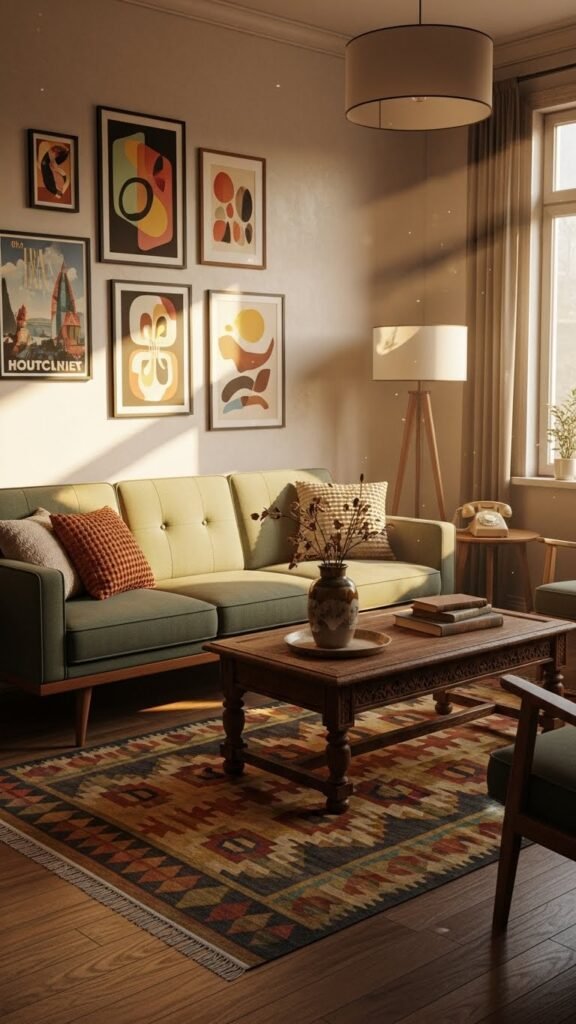
The good news? You don’t need to turn your home into a museum. With a few intentional choices, you can decorate a vintage room that feels both stylish and livable.
Start With a Soft, Nostalgic Color Palette
Vintage rooms often feel inviting because the colors are gentle, warm, and slightly muted. Before adding decor, think about your base palette.
Popular vintage-inspired colors include:
- Creamy whites and warm beiges
- Dusty rose, sage green, or pale blue
- Mustard yellow, rust, or muted teal
Use lighter shades on walls to keep the space airy, then layer in deeper tones through furniture and accessories. If painting isn’t an option, bring in color through curtains, rugs, or throw pillows.
A simple rule: stick to 3–4 main colors to keep the room cohesive and calm.
Choose Furniture With Curves and Character
Straight lines and ultra-modern shapes can feel out of place in a vintage room. Instead, look for furniture that has:
- Rounded edges and tapered legs
- Visible wood grain or aged finishes
- Unique silhouettes that feel collected over time
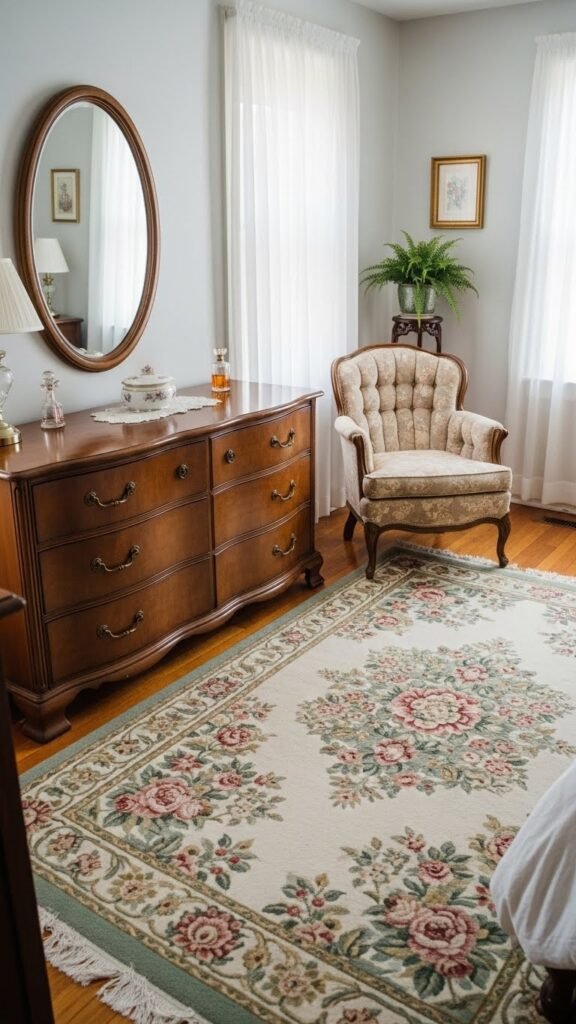
You don’t need everything to match. In fact, mixing pieces from different eras adds authenticity. A vintage-style dresser paired with a simple modern bed can still feel perfectly retro when styled well.
Thrift stores, flea markets, and online resale shops are gold mines for one-of-a-kind finds.
Layer Patterns and Textures Thoughtfully
Vintage style shines when patterns are layered with intention. Florals, stripes, plaids, and small geometrics all work beautifully together when balanced.
Try mixing:
- Floral curtains with a subtle striped rug
- A patterned armchair with solid pillows
- Lace, crochet, or embroidered textiles
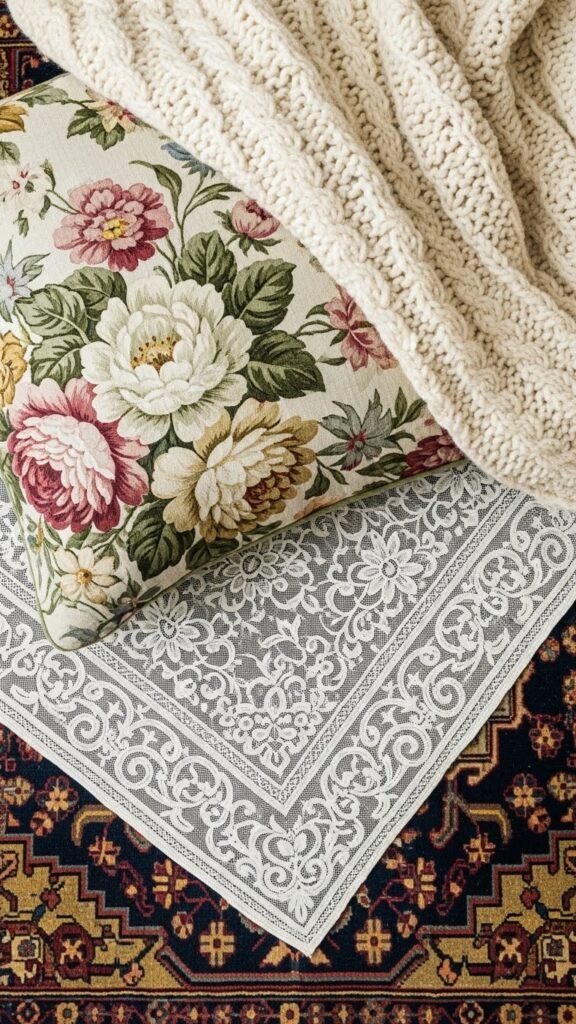
Textures are just as important as patterns. Soft linens, aged wood, ceramic accents, and woven baskets add depth and keep the room from feeling flat.
If you’re unsure, start small. Add one patterned piece at a time and build from there.
Decorate With Meaningful Vintage Accessories
Accessories are where your personality truly shows. Vintage decor should feel collected, not staged.
Look for items like:
- Framed black-and-white photos or retro illustrations
- Old books stacked on shelves or tables
- Ceramic vases, clocks, or trinket dishes
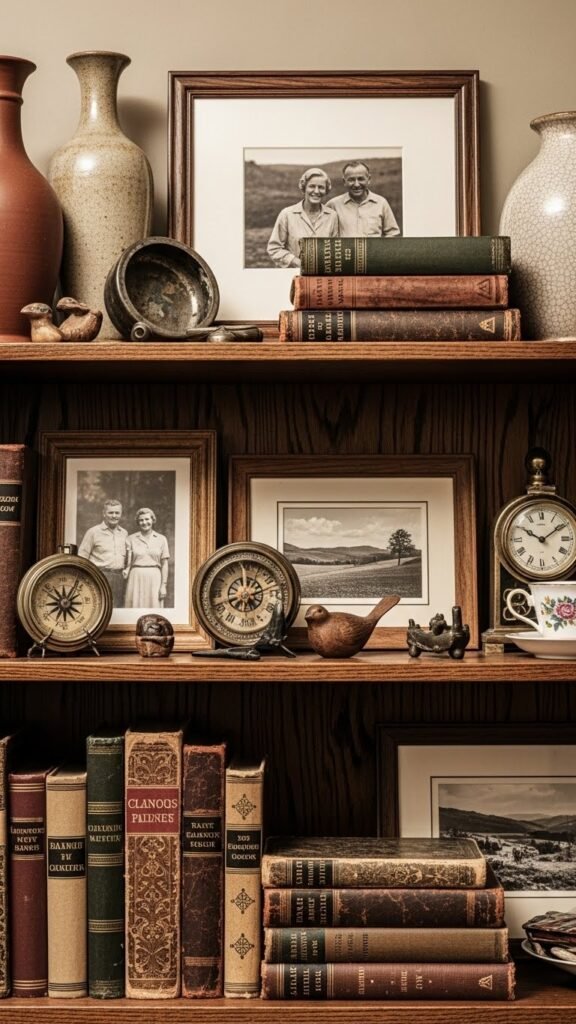
Group items in odd numbers (three or five works well) and vary heights for visual interest. Leave some breathing room so the space doesn’t feel cluttered.
If something makes you smile or sparks nostalgia, it probably belongs in your vintage room.
Use Lighting to Create a Warm, Retro Glow
Lighting can make or break the mood. Vintage rooms feel best when the light is soft and layered.
Instead of relying only on overhead lighting, add:
- Table lamps with fabric or glass shades
- Floor lamps with curved or classic bases
- Warm-toned bulbs for a cozy glow
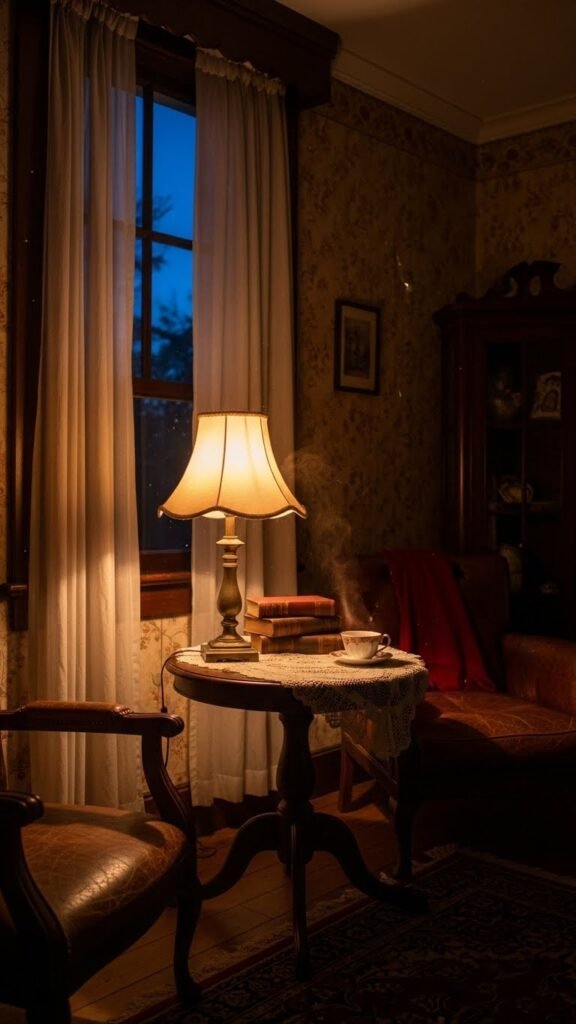
Lighting with character doubles as decor, so choose pieces that complement the era you love.
Mix Old and New for a Livable Feel
A successful vintage room doesn’t feel frozen in time. Mixing old with new keeps it functional and fresh.
Try:
- Pairing a modern sofa with a vintage coffee table
- Using contemporary bedding on an antique-style bed
- Adding modern art alongside retro frames
This balance makes the space feel intentional rather than themed. It also helps the room fit seamlessly into the rest of your home.
Final Touches That Pull It All Together
Before you call it done, step back and look at the room as a whole. Ask yourself:
- Does it feel warm and welcoming?
- Are there a few standout pieces, not too many?
- Does it reflect your personal taste?
Small adjustments, like rearranging accessories or swapping pillows, can make a big difference.
Vintage decorating is about patience and creativity. Let the room evolve over time as you discover pieces you love.
Takeaway: Decorating a vintage room is less about rules and more about storytelling. Start with soft colors, add character-filled furniture, layer patterns, and finish with meaningful details. Save this guide for later and start creating a retro space that feels timeless and truly yours.
Leave a Reply