

A well-decorated study room can completely change how you think, work, and stay motivated. The right setup doesn’t just look good on Pinterest—it helps your brain stay calm, organized, and ready to focus. Whether you’re studying for exams, working from home, or carving out a quiet creative corner, intentional decor makes all the difference.
[Image Prompt] A bright, cozy study room with a clean desk, natural light from a window, a neutral color palette, indoor plants, and neatly arranged books on open shelves.
Below, you’ll find practical, easy-to-follow ideas to design a study space that supports concentration without feeling cold or boring.
Start With a Calm, Distraction-Free Color Palette
Color plays a huge role in how focused you feel. Loud or overly dark colors can be distracting, while soft, balanced tones help your mind settle.
Good color choices for a study room include:
- Soft whites, warm beige, or light gray for walls
- Muted greens or blues for accents
- Natural wood tones to add warmth
If repainting isn’t an option, bring these shades in through:
- Desk accessories
- Curtains or blinds
- Rugs or wall art
Stick to one main neutral and one or two accent colors. This keeps the room visually calm and easier to concentrate in.
Choose Functional Furniture That Supports Focus
Your furniture should work with you, not against you. Comfort and posture are key when you’re sitting for long periods.
Focus-friendly furniture tips:
- A desk large enough for your essentials, but not clutter
- A supportive chair that encourages good posture
- Minimal drawers or hidden storage to reduce visual noise
Avoid overcrowding the room with extra furniture. If it doesn’t serve a purpose, it’s probably distracting.
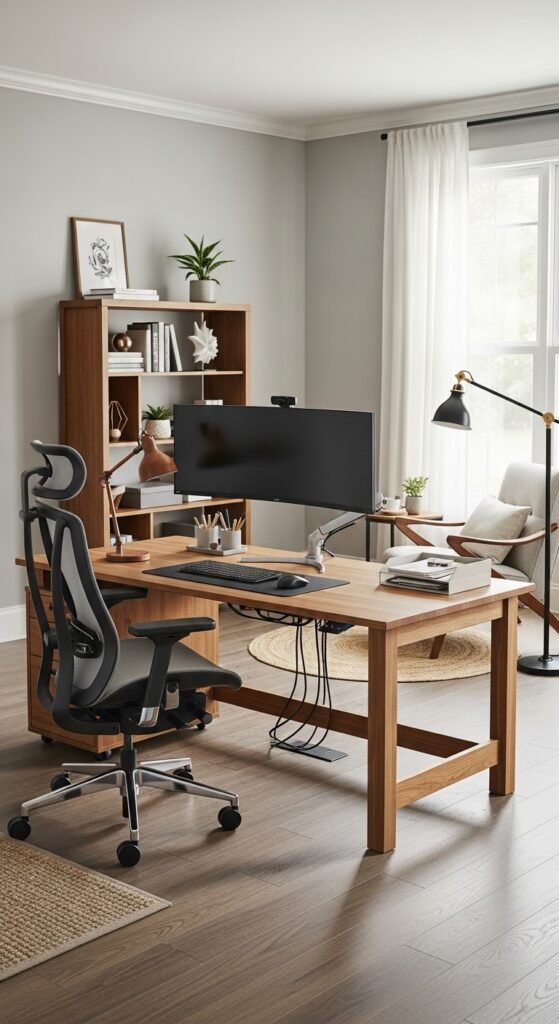
Maximize Natural Light (And Layer Your Lighting)
Lighting directly affects energy and concentration. Natural light is best, but layered lighting helps you stay productive day and night.
How to improve lighting:
- Place your desk near a window if possible
- Use sheer curtains to soften harsh sunlight
- Add a desk lamp with warm, adjustable light
- Include soft ambient lighting for evenings
Avoid harsh overhead lights alone—they can cause eye strain. Balanced lighting keeps your study room comfortable and inviting.
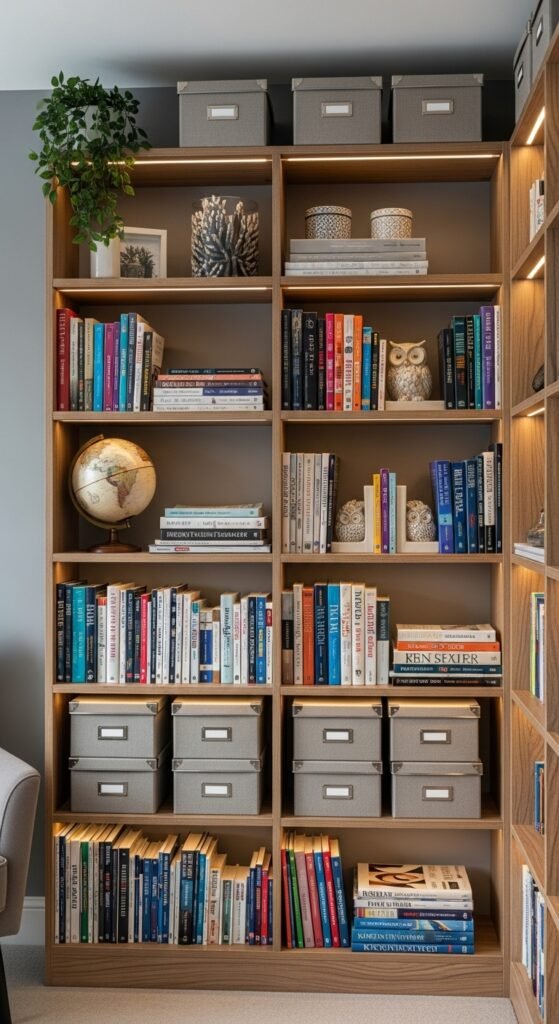
Organize Smartly to Reduce Mental Clutter
A cluttered space often leads to a cluttered mind. Smart organization keeps distractions out of sight while still making essentials easy to reach.
Easy organization ideas:
- Open shelves for books and reference items
- Storage boxes or baskets for small supplies
- Drawer organizers for stationery
- A simple filing system for papers
Try this rule: If you don’t use it weekly, store it out of view.
Add Gentle Decor That Inspires Without Distracting
Decor doesn’t have to be loud to be motivating. The goal is inspiration—not overstimulation.
Focus-friendly decor ideas:
- One or two framed prints with calming imagery
- A vision board kept simple and intentional
- A small indoor plant for freshness
- Neutral-textured items like woven baskets or ceramics
Avoid overcrowding walls or shelves. Negative space is just as important as decor—it gives your eyes a place to rest.
[Image Prompt] A calm study corner with a small potted plant, neutral wall art, and a tidy desk surface with minimal decor.
Create Zones for Different Types of Work
If space allows, divide your study room into mini zones. This helps your brain switch modes more easily.
Common study zones:
- Main desk for focused work
- Reading nook with a comfortable chair
- Storage zone for supplies and books
Even in small rooms, zoning can be created using rugs, lighting, or furniture placement.
Keep Personal Touches Intentional
Personal items can boost motivation—but too many can pull attention away.
Choose:
- One meaningful photo
- A favorite quote or reminder
- An item that makes you feel calm or confident
Skip cluttered collections or overly busy displays. Less truly helps you focus more.
[Image Prompt] A study room desk with a single framed photo, a notebook, a pen holder, and a clean, uncluttered surface.
Final Thoughts: Design for Focus, Not Perfection
Your study room doesn’t need to look like a showroom. It needs to support you. Calm colors, thoughtful lighting, smart organization, and intentional decor all work together to create a space where focus feels natural.
Start small. Adjust as you go. And remember—your study space should grow with your habits.
Save this guide for later and start designing a study room that actually helps you focus.

Leave a Reply